

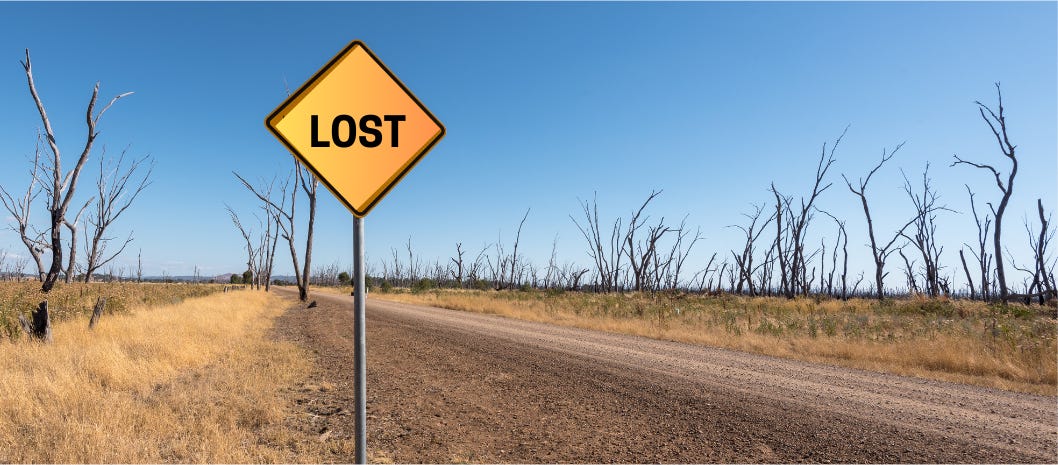
In recent years, many people have expressed a deep and unsettling feeling that the country they once knew and loved is changing beyond recognition. Whether it’s cultural shifts, policy changes, or ideological battles, there is a growing sense that common sense is being replaced by obscure ideologies. This sentiment is not unique to one group or political affiliation—it transcends demographics, affecting citizens from all walks of life who feel as though the ground beneath them is shifting.
A COUNTRY IN TRANSITION
Change is inevitable. No nation remains static, and progress often requires adaptation. However, what many people find concerning is not change itself, but the speed and nature of these transformations. There is an increasing perception that the principles that once unified society—values such as hard work, personal responsibility, and community spirit—are being eroded in favor of divisive narratives and controversial policies. The question we must ask is: Are we truly evolving for the better, or are we straying from the foundational principles that made our nation strong?
THE DISPLACEMENT OF COMMOMSENSE
Common sense, once the bedrock of decision-making, seems to be under siege. Policies that appear disconnected from reality are being implemented, and ideologies that contradict everyday logic are being promoted in schools, workplaces, and government institutions. People who dare to question these shifts are often met with hostility, labeled as outdated or intolerant, simply for advocating traditional values or practical solutions. The rise of political correctness has made it increasingly difficult to have honest conversations without fear of backlash. Rising crime rates and deteriorating public safety are real consequences of policies that, on paper, may sound noble but fail in practice. Likewise, immigration policies that ignore security concerns in favour of ideological goals create unnecessary tensions and practical difficulties for citizens who expect their government to maintain order.
THE RISE OF OBSCURE IDEOLOGIES
In addition to policy shifts, many feel alienated by cultural changes that appear disconnected from the lived realities of ordinary people. Discussions around gender, race, and identity have taken center stage, often in ways that seem more performative than productive. Rather than fostering understanding, these debates often lead to greater division, as people are pressured to conform to rigid ideological stances instead of engaging in open, honest dialogue. In education, we see a growing tendency to prioritize social activism over essential skills such as math, science, and history. Parents who voice concerns about curricula filled with ideological teachings are met with resistance, as if their desire to maintain a balanced education for their children is somehow radical. The idea that young students should be exposed to complex social theories before they have even mastered basic literacy and numeracy is perplexing to many.
THE IMPACT ON NATIONAL IDENTITY
A nation’s identity is built on its shared history, values, and traditions. While it is important to acknowledge past mistakes and strive for improvement, there is a difference between constructive progress and the outright rejection of everything that came before. Statues are being torn down, historical figures are being vilified, and national pride is often framed as problematic. If a country cannot embrace its past—both the triumphs and the flaws—it risks losing its sense of self altogether. This erasure of national identity extends to the way people interact in daily life. There was once a time when neighbors could disagree politically yet still share a sense of community. Today, ideological differences have become battle lines, with people retreating into echo chambers where opposing views are unwelcome. Social media has amplified these divisions, turning every issue into an “us vs. them” confrontation, where the loudest and most extreme voices drown out reasoned discussion.
THE CONSEQUENCES OF THIS SHIFT
The erosion of common sense and the rise of obscure ideology have tangible consequences. Crime rates rise when law enforcement is undermined. Educational standards decline when ideology trumps merit. Economic stability is threatened when policies prioritise activism over practicality. Perhaps most tragically, national unity suffers when people feel like they no longer recognise their own country. For those who feel alienated by these changes, the challenge is figuring out how to respond. Complaining on social media or withdrawing from public discourse won’t change the trajectory. Instead, meaningful action is needed—whether that means getting involved in local government, supporting candidates who align with traditional values, or simply engaging in civil discourse with those who hold different opinions.
HOPE FOR THE FUTURE
Despite these challenges, there is still hope. History has shown that societies often go through periods of upheaval before finding their way back to stability. The key is ensuring that the pendulum does not swing too far in one direction before reason and common sense return to the centre. If enough people recognise the importance of balance—valuing progress while maintaining the core principles that have long guided the nation—then the future can be one of renewal rather than decline. Ultimately, a nation is shaped by its people. If citizens stand firm in their beliefs, engage in thoughtful discussions, and advocate for policies grounded in reality rather than ideology, then the country can find its way back to a path that respects both tradition and progress. The challenge is great, but so is the resilience of those who refuse to give up on the nation they love
.